
Application help for commercial floor-care teams Selection worksheets and maintenance notes
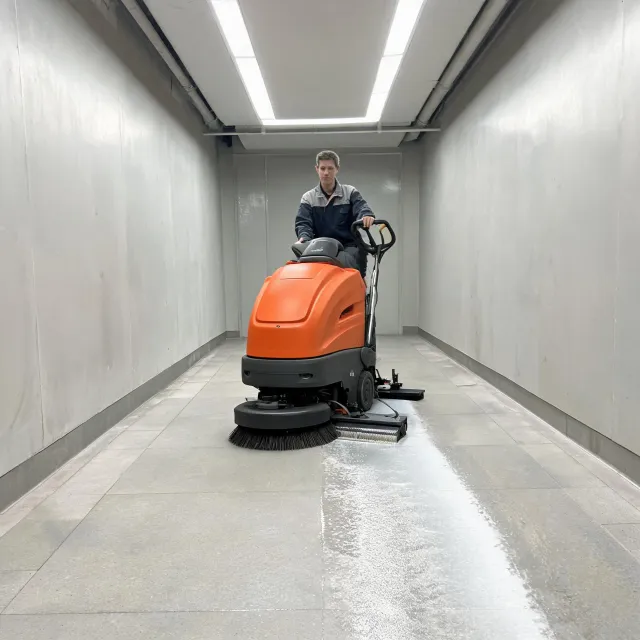
Clarke ride-on scrubber cleaning a busy distribution floor
Start with the floor, not the brochure

Clarke floor care starts with the way your facility works

Tell us the surface, soil, traffic pattern, and cleaning window. We will help narrow the machine format before you compare individual models.
View Floor Machines
Choose by operating environment

Where floor conditions change the answer

A machine that fits an open warehouse may struggle with retail fixtures, clinical zoning, or a short overnight window. These common settings frame the first conversation.

Four practical starting points

Match machine format to route and soil

Questions worth answering first

A better shortlist begins with constraints

Floor-care decisions involve trade-offs. More capacity can reduce refill stops, but it also changes turning space, storage, transport, and operator visibility.

Compare productive floor area, aisle width, turning points, doorways, elevator limits, and the length of the cleaning window. The largest machine is not automatically the fastest route choice.

Brush pressure must be considered with pad or brush selection, chemistry, dwell time, floor finish, and travel speed. Higher pressure can increase removal action while also increasing wear and power demand.

Squeegee condition, blade setup, vacuum path, turns, surface joints, debris, and operator pace all influence recovery. A site trial should include the most difficult part of the route.

Bring the actual soil, representative floor area, door and aisle measurements, required operating time, charging access, and the team members who will operate and maintain the machine.
A practical review frame

Six details that shape everyday usability

01

Route fit

Machine width, turning envelope, doors, ramps, and storage are checked together.

02

Soil method

Brush or pad, chemistry, dwell time, and recovery strategy follow the actual soil.

03

Operator handoff

Daily checks and controls should be understandable within the facility's training routine.

04

Service access

Wear items and routine cleaning points need to fit the planned maintenance window.

05

Power planning

Cord, battery, charging location, and expected runtime are assessed before deployment.

06

Verification

A representative trial records route time, refill stops, recovery, and finish condition.

Bring us the difficult part of the route

Turn facility constraints into a focused Clarke shortlist

Share floor area, access limits, soil type, operating window, and how the machine will be maintained.

Open the Resources